

Gardening projects for kids: Growing a pizza garden
Pizza is a fan favourite in many households. The toppings are endlessly customisable. Whether it’s a generous sprinkle of cheese, a handful of fresh rocket,
After a hot, humid summer, welcoming autumn is best done in the garden. With temperatures cooling, moving around the garden comes a little easier. This is the prime time to start reintroducing nutrition-rich compost, liquid fertilisers, and mulch to give a little botanical boost where it’s needed. We’ll share tips on best practices and also which autumn plants to introduce as your garden adjusts into autumn.
Supporting your garden through the seasons ensures not only the appearance, but also the health of the soil and overall plant longevity. Some of the simplest autumn garden hacks start with the basics: nutrition. Just as we support our bodies in the colder seasons with supplements, gardens need a little pick-me-up now and then, too. For gardens, this means enriching and nourishing plants while protecting the soil. How? With compost, liquid fertiliser and mulch.

If you have been removing faded plants after a summer garden clean-up, now is a great time to create a compost. Combining decomposing organic matter with kitchen scraps, such as fruit peels and coffee grinds, makes for a diverse array of recycled nutrition. Together, they provide beneficial microbes while improving soil structure and water retention.
Don’t have access to a compost? Try this local compost variety.
Once you have created (or collected) your compost, there are a few ways to apply it to your garden using soil enrichment tips:
Tip: Compost can also be used as a mulch layer in smaller amounts for autumn soil enrichment.

Much like compost, homemade liquid fertiliser is created with garden waste and organic kitchen leftovers – but with water! Imagine a big pot of steeping tea, but the tea leaves are your compostable materials. This method is a much more immediate way to deliver concentrated nutrients.
Steep your wastes separately in buckets for various needs:
Tip: To create your “compost tea”, collect and use rainwater; it’s softer than tap water and has slightly higher acidity and nitrogen levels. It’s recommended to dilute the mixture down, using 10 parts of water for every one part of fertiliser.
Alternatively, ready-made liquid fertilisers are also a great way to deliver a boost. Be sure to water well before applying fertiliser to avoid burning roots.

After serving up different methods of nutrition, gardens need a little reinforcement. A layer of mulch helps to keep in moisture, insulate the ground to regulate temperature, and also suppresses weeds while supporting soil structure.
Mulch can consist of fallen leaves, grass cuttings, sticks or wood chips, nut shells and even shredded newspapers. Collect what you have access to, chop the materials down, and even mix. For gardeners looking for a quick mulching fix, there are pre-made mulches available.
Tip: When you are applying the mulch mixture, be sure to distribute evenly, as too thick a layer around the base of plants, trees and shrubs can lead to disease, pests, or rotting. Aim for about 7-10cm deep; you can top up over time.

Once you have prepped your existing garden beds and want to add an update, try some new autumn plants. The main features to look out for: cold-tolerant plants, late-season colour, and strong root systems that can develop in dropping temperatures. Plants with structure and an autumn-yielding nectar source for pollinators will keep your garden in good standing.
Easy autumn garden ideas for new plants:

With summer on its way out, bring autumn in with compost, liquid fertilisers, mulch and some autumn garden plants. Whether you opt for some DIY mixes or in-store solutions, your garden deserves all the care in the cooler seasons. For expert-guided gardens year-round, contact us for more information.
SHARE THIS
Pizza is a fan favourite in many households. The toppings are endlessly customisable. Whether it’s a generous sprinkle of cheese, a handful of fresh rocket,

Valentine’s Day is approaching, and what better way to express your love than through the timeless beauty of roses? Dive into the art of crafting
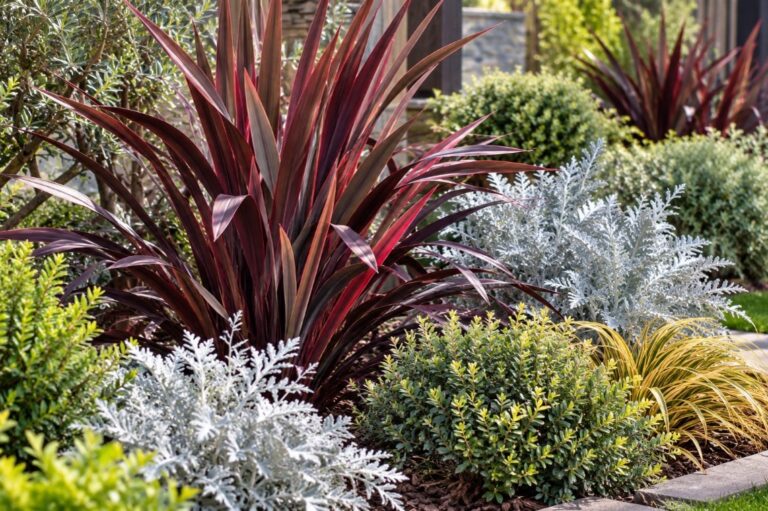
Some plants bring flowers to the party. Others bring a whole lot of personality! Meet Phormium ‘Ruby Tuesday’ – the bold, beautiful garden showstopper that
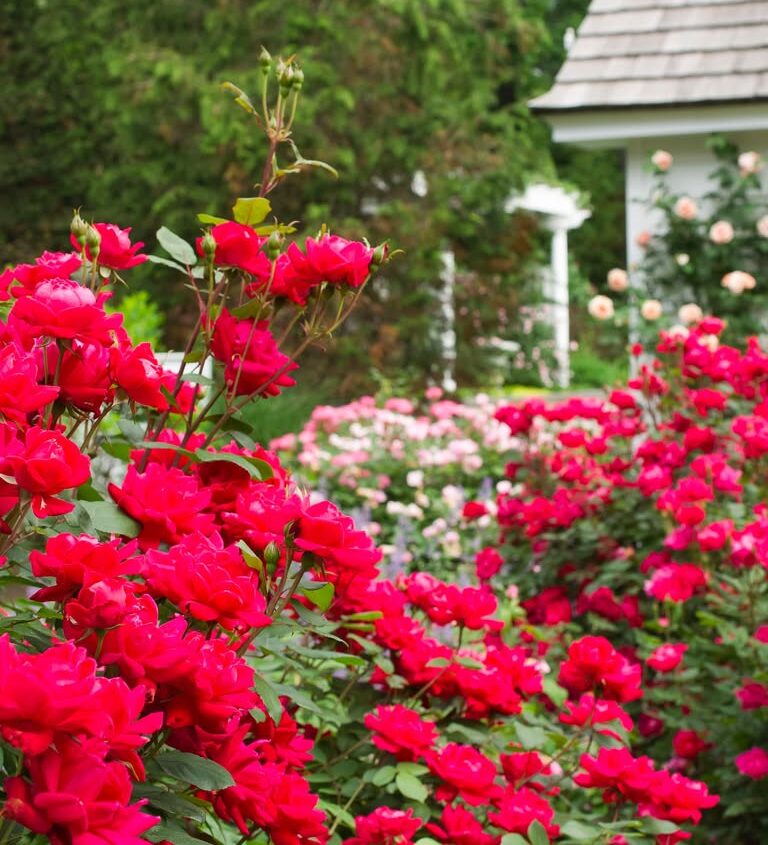
There’s something special about planting one small rose and watching it grow into a beautiful burst of colour. And the best part? A gorgeous garden
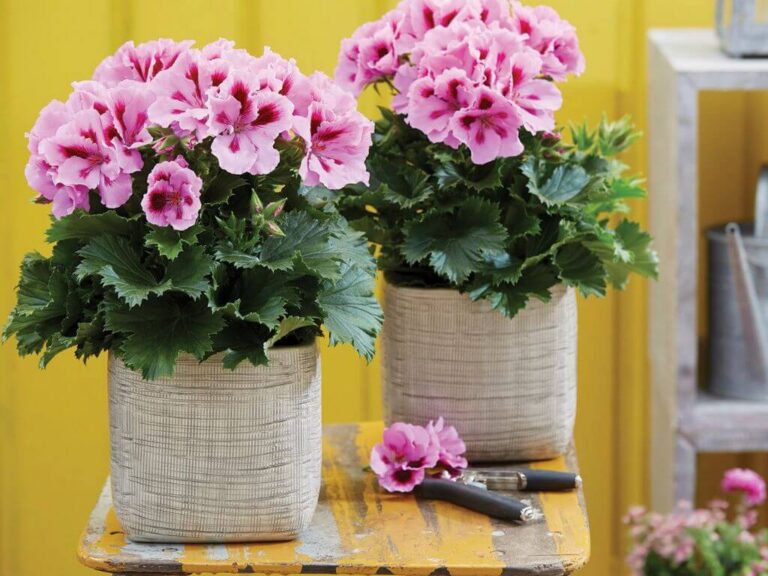
Sometimes all a dull corner needs is a statement flower to steal the show. Nothing wakes up a patio or garden bed quite like an
Join us in honouring Breast Cancer Awareness Month. When you spend R400 or more (excluding delivery), we’ll add a stunning, fragrant Princess Lavender to your order for free, bringing a touch of pink and purpose to your garden.

