

Gardening projects for kids: Growing a pizza garden
Pizza is a fan favourite in many households. The toppings are endlessly customisable. Whether it’s a generous sprinkle of cheese, a handful of fresh rocket,
Crisp May mornings and falling leaves signal a gentle shift in the garden. As the weather cools and we spend a little less time outdoors, local bees are actually working overtime. May brings World Bee Day on the 20th, making it the perfect time to turn our attention to these hard-working insects. The easiest way to celebrate this month and support your local ecosystem is by introducing a few bee-friendly plants into your autumn beds.

As the heat of summer fades, many of our warm-weather flowers naturally start to die back. This seasonal shift creates a challenge for pollinators. Suddenly, the abundant food sources they relied on for months become scarce, leaving foraging insects searching wider and flying further for sustenance.
Hives need to stockpile a massive amount of energy to survive the cold. Selecting late-season plants that are friendly to your local bee populations provides an essential energy lifeline. This thoughtful preparation ensures these busy workers have the necessary fuel to rest and safely navigate the winter months ahead.
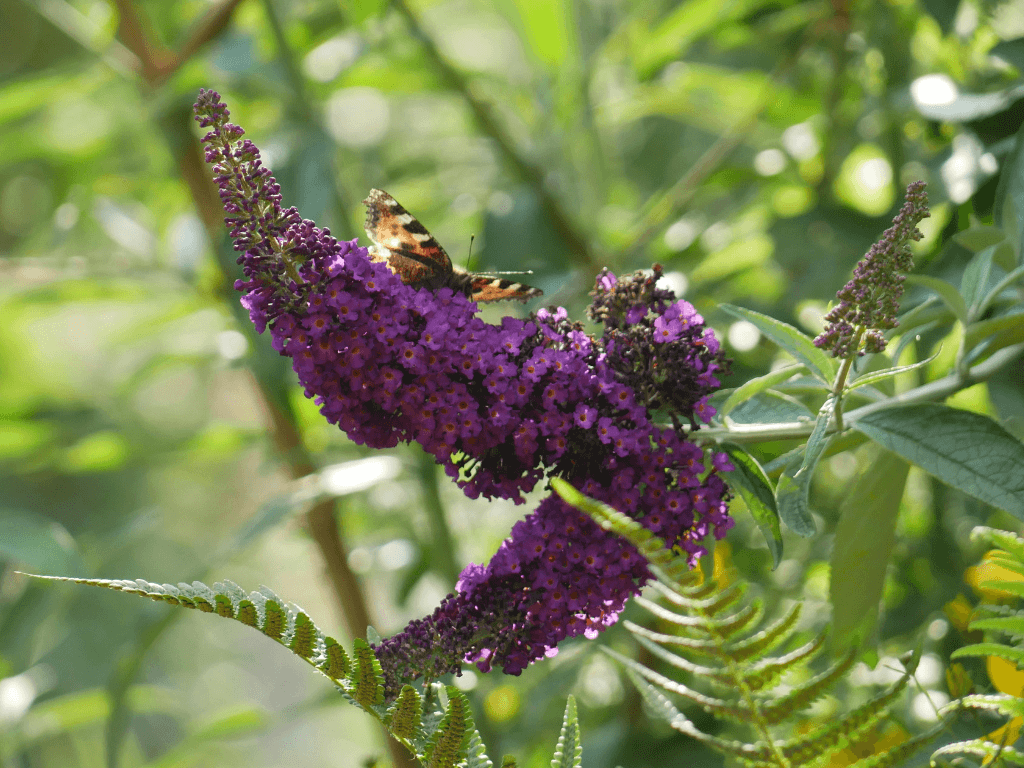
When building a pollinator haven, it helps to start with the foundations. Larger shrubs provide volume in the garden and offer high nectar yields just when insects need them most. Incorporate these taller, bee-friendly plants into your landscape to give foraging visitors a reliable food source that lasts into the cooler months:
Pro Tip: Plant these structural shrubs near boundary walls or fences. They will quickly form a lush, low-maintenance screen while creating a sheltered feeding ground for pollinators.
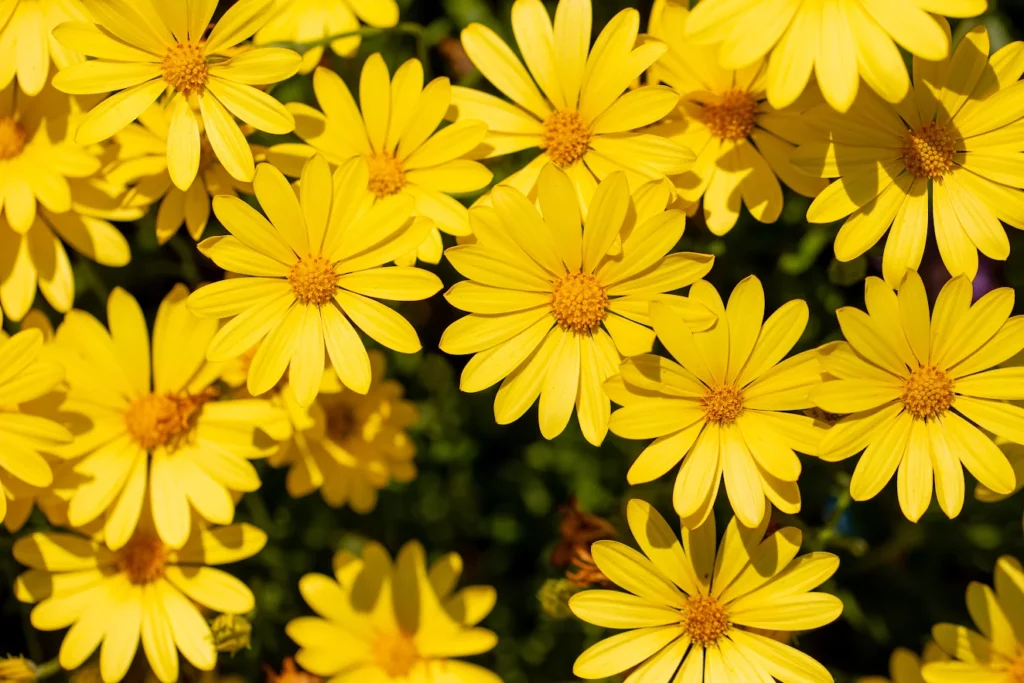
While larger shrubs build the foundation of your garden, flowers bring those final, vibrant details to your landscape. You do not need a sprawling lawn to participate in World Bee Day. Even if you only have a sunny balcony or courtyard, adding a few bee-friendly potted plants makes a massive difference to local foraging insects.
Pro Tip: Plant these smaller varieties in clusters of three to five. Grouping flowers together means bees do not have to expend extra energy flying long distances between single blooms.

Bees get incredibly thirsty while foraging, especially on dry May afternoons. To complement your new plants, making your garden truly bee-friendly requires one simple addition: water. Deep birdbaths can be dangerous for tiny insects, but building a safe drinking spot is a quick and rewarding project.
Follow these easy steps to build a simple bee watering station:
This small gesture gives tired foragers a safe place to rehydrate before heading back to the hive.
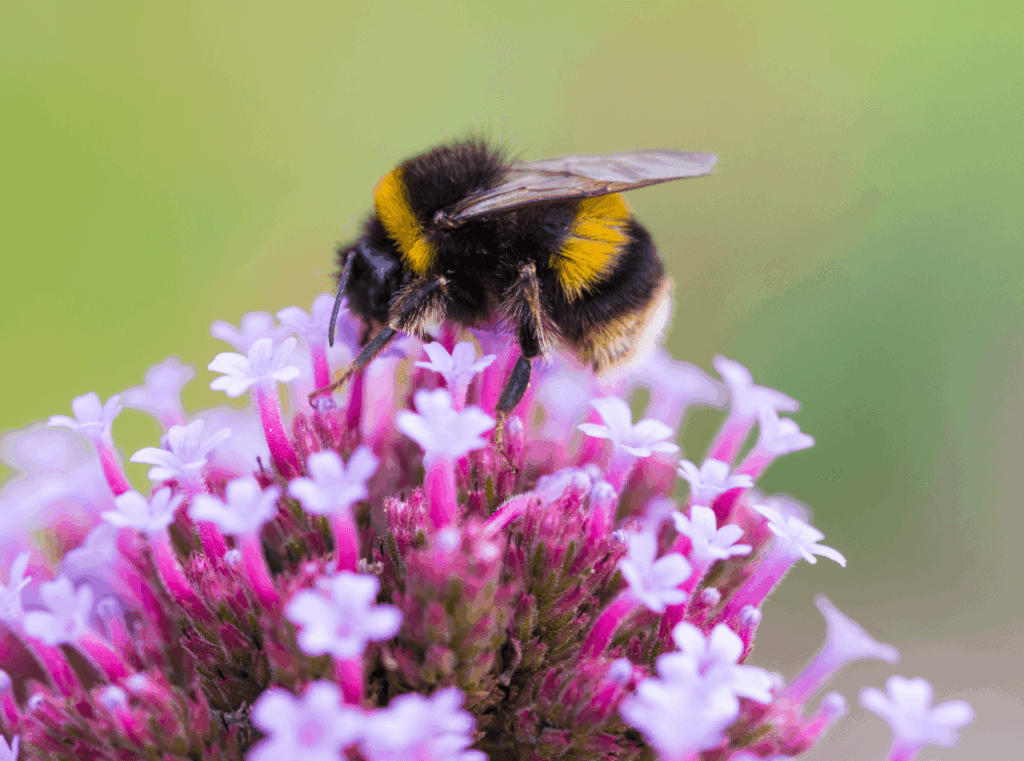
Giving back to nature this May is as simple as adding a pop of colour to your patio or beds. Celebrating World Bee Day is a wonderful excuse to spend an afternoon digging in the soil
Visit one of our garden centres or browse online to find the perfect bee-friendly plants to brighten your space. For more inspiration on building a pollinator paradise and seasonal gardening advice, follow Plantland on Facebook and Instagram.
SHARE THIS
Pizza is a fan favourite in many households. The toppings are endlessly customisable. Whether it’s a generous sprinkle of cheese, a handful of fresh rocket,

Valentine’s Day is approaching, and what better way to express your love than through the timeless beauty of roses? Dive into the art of crafting
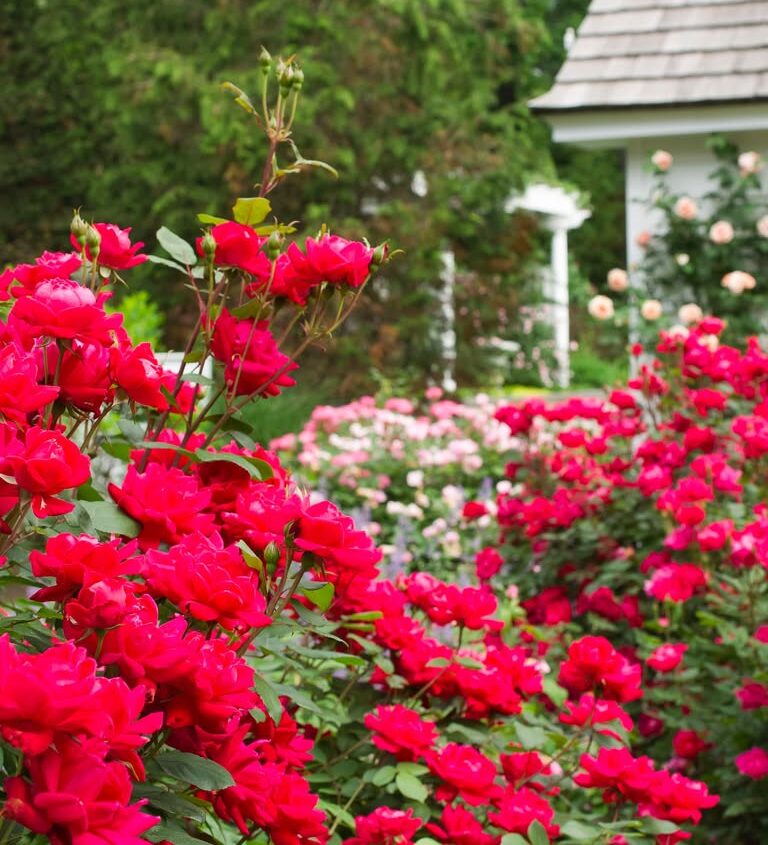
There’s something special about planting one small rose and watching it grow into a beautiful burst of colour. And the best part? A gorgeous garden
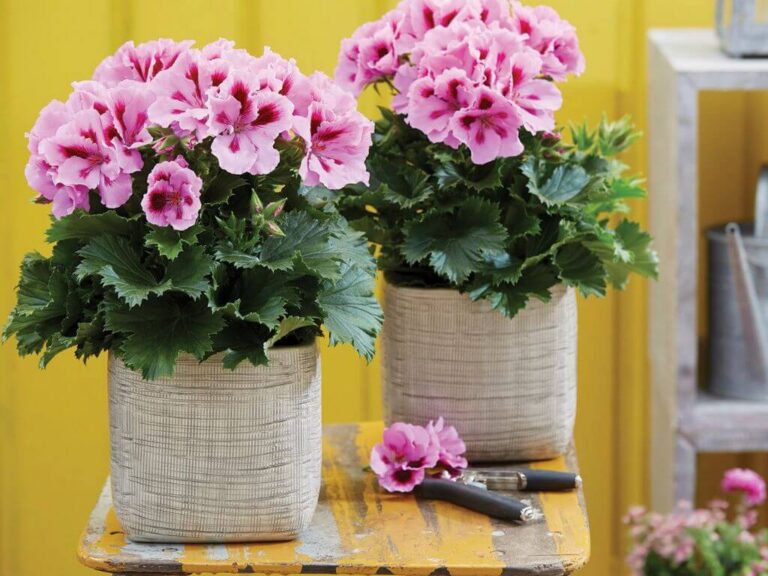
Sometimes all a dull corner needs is a statement flower to steal the show. Nothing wakes up a patio or garden bed quite like an

Let’s be honest, by the time July rolls around, the nights are freezing, and our gardens can start looking a little tired, bare, and grey.
Join us in honouring Breast Cancer Awareness Month. When you spend R400 or more (excluding delivery), we’ll add a stunning, fragrant Princess Lavender to your order for free, bringing a touch of pink and purpose to your garden.

