

Gardening projects for kids: Growing a pizza garden
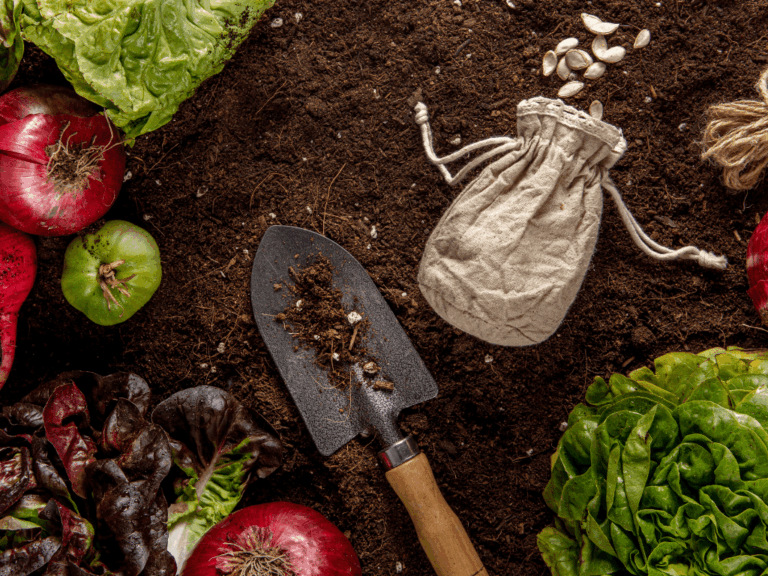
Pizza is a fan favourite in many households. The toppings are endlessly customisable. Whether it’s a generous sprinkle of cheese, a handful of fresh rocket,
2:3:2… 3:1:5… when it comes to fertilisers, the ratio choice can be confusing to say the least. So let’s break down which fertilisers do what and, most importantly, which ones to use for your garden’s preparation as we go into winter.
As you’ll have noticed, fertilisers come with three consecutive numbers, each separated by a colon. Each of those numbers (in order) represents the ratio of Nitrogen, Phosphorus and Potassium (altogether abbreviated to NPK) in that mix. So, for example, 2:3:2 will have 2 parts nitrogen, 3 parts phosphorus and 2 parts potassium. The reason for the varying ratios is to address specific plant types (some are more sensitive than others) and also different gardening challenges.
If we look at the popular mixes, they’re as follows:
Ultimately, fertilisers allow you to nurture your space both proactively and symptomatically, ensuring your garden is fully prepared for winter.
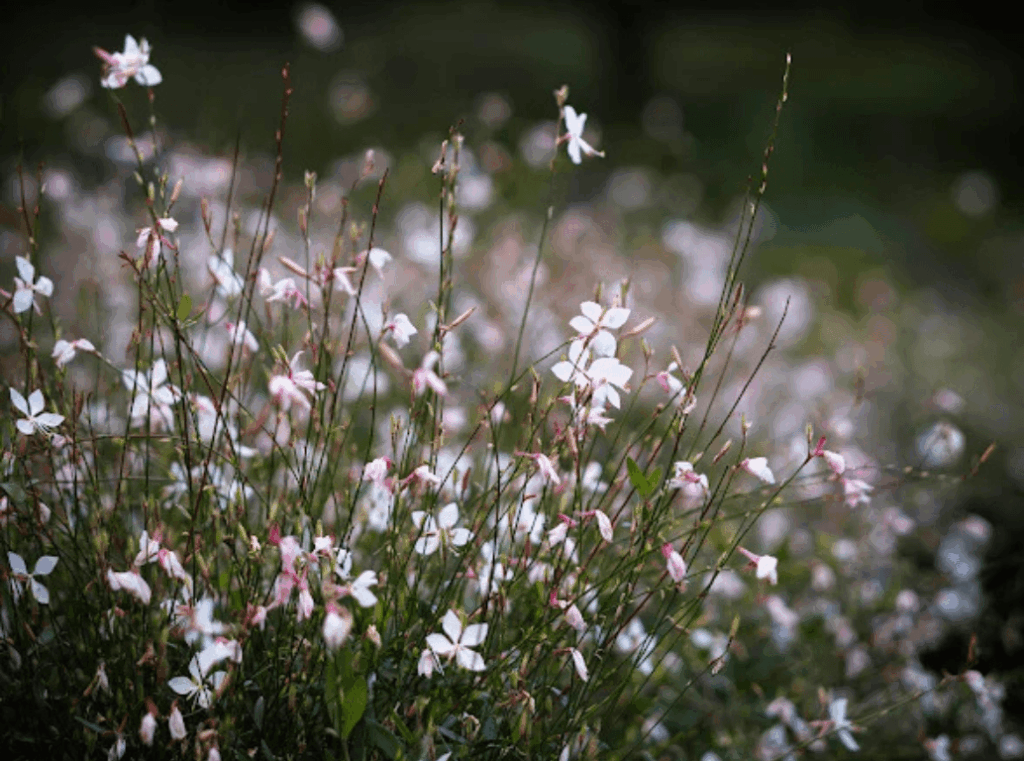
As parts of the country experience their wet season, others will experience less rain. For those drier areas, Gauras (Oenothera Lindheimeri) are perfect. Native to Louisiana and Texas, gaura are hardy perennials that make preparing a winter garden easy; they can endure neglect and are largely disease and pest-resistant, which is a win for those gardeners not wanting to be outdoors as much during winter. The easily distinguishable dainty gaura flowers bloom from early spring into late autumn and are popular with both butterflies and bees.
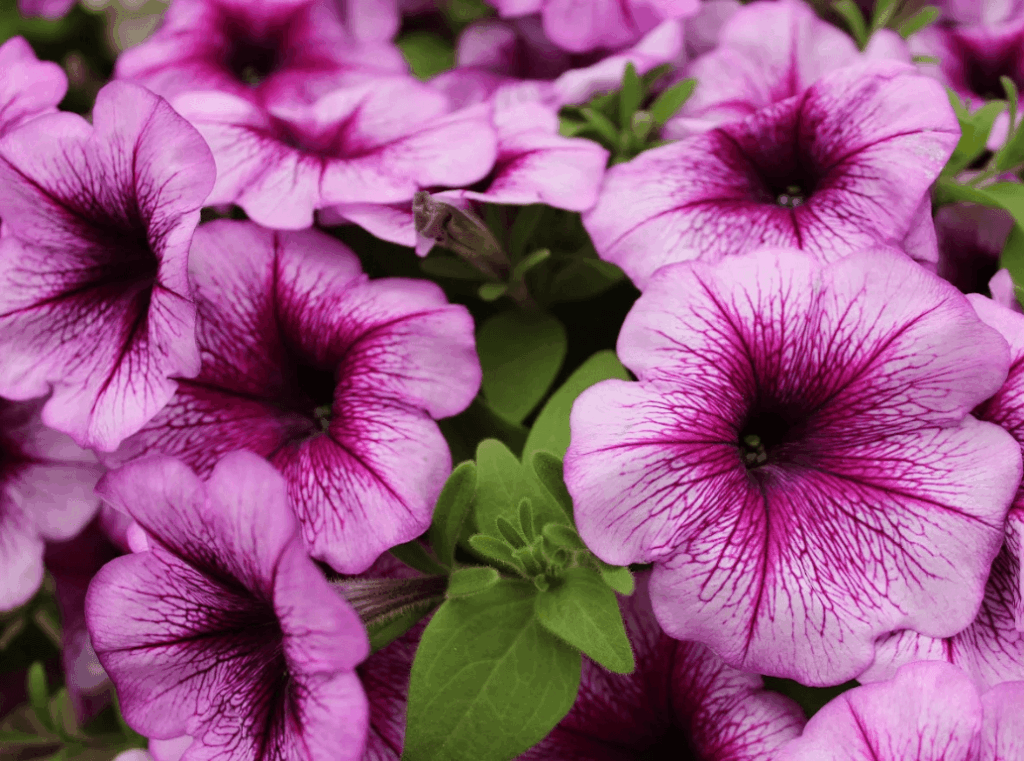
Our age-old garden favourites, petunias, these perennial flowers took their name from the French, which in turn took its name from a Tupi-Guarani language meaning ‘tobacco’, and there are some twenty flowering plants of this genus. Winter is when petunias really shine, brightening up flowerbeds with a kaleidoscope of colours. More than this, different petunias are suited to different conditions, so, for example, the ‘Grandiflora’ petunias with their larger blooms are ideal for summer rainfall areas. While they can survive the colder months, for proper preparation for a winter garden, we recommend planting them along the north-facing side of your house.
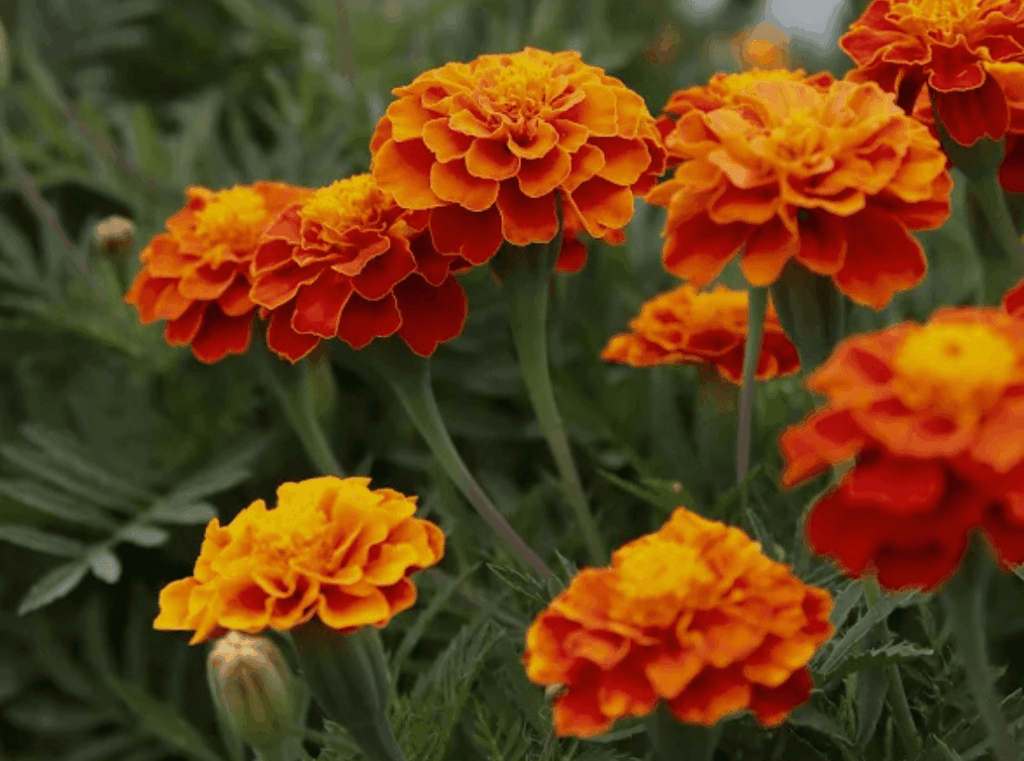
What’s not to love about marigolds? They’re bright, colourful, and exactly what you need to add some pleasant contrast to your garden. Flowering between August and May, these fast-growing annuals bloom relatively quickly, within 10-12 weeks of sowing, preferably in sunny spots. There is a host of reasons to choose marigolds; for us, we love that they’re not only drought-resistant but also act as natural pest control in veggie patches. Reseeding on their own, marigolds keep the garden low-maintenance, freeing up your time for other winter preparations.
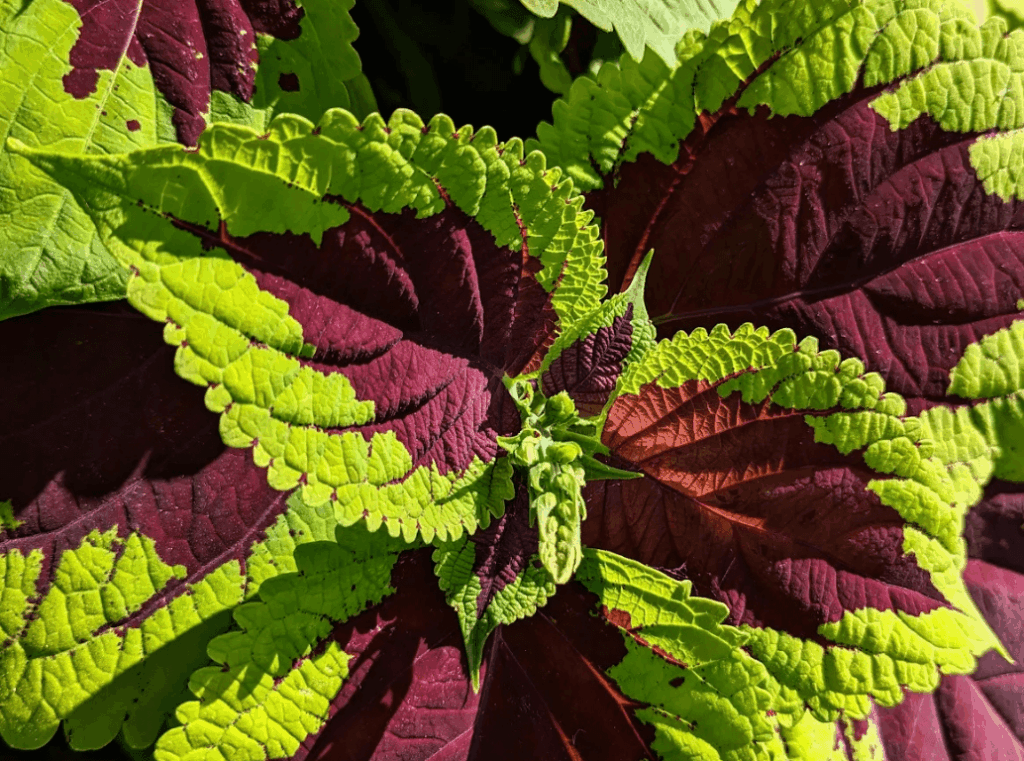
Plants often find themselves subjected to less than complimentary common names. Just take the coleus, sometimes referred to as ‘the poor man’s croton’! We feel this is a tad unfair, because looking at the other common names for the coleus, from ‘painted leaf’ to ‘flame nettle’, you start to get some idea of the wide variety of colour these annuals can bring to your garden. If your preparation strategy involves keeping the garden looking vibrant long into winter, we recommend planting coleus in fertile, well-drained soils.
Now, we’ve touched on a number of plants that love a bit of time in the sun (and who doesn’t?), but what about those partially shady areas that really need filling out? Well, for us it has to be plectranthus. While the plant comes with a litany of ancient medicinal uses, we found it cures our partially shaded areas best! Plectranthus thrives equally well in containers, so it might be the perfect solution for patios and balconies, creating a lush green backdrop.
For more winter gardening preparation inspiration and expert tips, follow Plantland on Facebook and Instagram.
SHARE THIS
Pizza is a fan favourite in many households. The toppings are endlessly customisable. Whether it’s a generous sprinkle of cheese, a handful of fresh rocket,

Valentine’s Day is approaching, and what better way to express your love than through the timeless beauty of roses? Dive into the art of crafting

Let’s be honest, by the time July rolls around, the nights are freezing, and our gardens can start looking a little tired, bare, and grey.
When the temperature drops in June, there is nothing quite as comforting as a warm, hearty meal made from scratch. Leaving your vegetable beds bare

Crisp May mornings and falling leaves signal a gentle shift in the garden. As the weather cools and we spend a little less time outdoors,

